
etched bathroom mirror
Het Belang van Type Niet-terugslagkleppen Niet-terugslagkleppen zijn cruciale componenten in vele industriële en huishoudelijke toepassingen. Ze zijn ontworpen om de vloeistofstroom in één richting te laten stromen en te voorkomen dat deze terugstroomt. Dit voorkomt schade aan apparatuur, stagnatie van vloeistoffen en andere ongewenste situaties. Er zijn verschillende soorten niet-terugslagkleppen, elk met hun eigen specifieke toepassingen en voordelen. 1. Balkleppen Balkleppen zijn een van de meest voorkomende types niet-terugslagkleppen. Deze kleppen bevatten een bal die vrij kan bewegen binnen de behuizing. Wanneer de vloeistof door de klep stroomt, wordt de bal omhoog geduwd, waardoor de vloeistof verder kan stromen. Als de vloeistofstroom stopt of probeert terug te stromen, zal de bal op zijn plaats vallen en de opening afsluiten. Dit eenvoudige maar effectieve ontwerp maakt balkleppen zeer betrouwbaar en populair in verschillende toepassingen, van waterleidingen tot olie- en gasinstallaties. 2. Schuifkleppen Schuifkleppen zijn een andere variant die vaak wordt gebruikt. Ze beschikken over een schuifmechanisme dat naar beneden of omhoog beweegt om de stroom te regelen. Wanneer de vloeistof in de juiste richting stroomt, wordt de klep geopend. Bij terugstroom sluit de klep automatisch. Schuifkleppen zijn bijzonder nuttig in systemen waar een strakke afsluiting vereist is om lekkages te voorkomen. 3. Veerbelaste Kleppen non return valve types Veerbelaste niet-terugslagkleppen maken gebruik van een veersysteem om de klep in de gesloten positie te houden wanneer er geen vloeistofstroom is. Wanneer de druk van de stromende vloeistof hoog genoeg is, wordt de klep geopend. Dit type klep is zeer effectief in situaties waar de vloeistofdruk kan fluctueren. De veer zorgt ervoor dat de klep altijd terugkeert naar de gesloten positie, wat de kans op terugstroming minimaliseert. 4. Retourkleppen Retourkleppen, soms ook bekend als terugslagkleppen, worden vaak gebruikt in verwarmings- en koelsystemen. Deze kleppen zijn ontworpen om te reageren op temperatuurveranderingen in het systeem. Bij stijgende temperaturen opent de klep automatisch, waardoor de warme vloeistof kan circuleren. Zodra de temperatuur weer afneemt, sluit de klep en voorkomt zo terugstroom. Dit type klep is van groot belang in systemen waar temperatuurregeling essentieel is voor de juiste werking. 5. Til- en Flapperkleppen Til- en flapperkleppen zijn populair in toepassingen waar de vloeistofstroom snel en met hoge snelheid is. Deze kleppen zetten een flap of een klepje in om de terugstroom te blokkeren. Wanneer vloeistof met voldoende kracht passeert, tilt de flap op, maar bij een omgekeerde stroom valt de flap terug op de opening, waardoor de terugstroom wordt verhinderd. Ze worden vaak gebruikt in industriële installaties, zoals bij rioolwaterbehandelingssystemen. Conclusie Het gebruik van niet-terugslagkleppen is essentieel voor het waarborgen van de veiligheid en efficiëntie in verschillende vloeistoftransport- en verwerkingssystemen. Door de juiste soort niet-terugslagklep te kiezen, kunnen bedrijven en huiseigenaren ervoor zorgen dat hun systemen soepel functioneren en dat ongewenste terugstroom wordt voorkomen. Of het nu gaat om bal-, schuif-, veerbelaste, retour- of flapperkleppen, elk type biedt specifieke voordelen die passen bij de behoeften van de toepassing. Het is daarom belangrijk om de juiste keuze te maken op basis van de specifieke eisen van het systeem.
about
etched bathroom mirror
Understanding Disc Type Check Valves A Comprehensive Overview Check valves are essential components in many fluid systems, ensuring that flow occurs in one direction while preventing backflow. Among the various designs of check valves, the disc type check valve stands out due to its unique mechanism and advantages in specific applications. This article will explore the features, benefits, applications, and maintenance of disc type check valves. What is a Disc Type Check Valve? A disc type check valve is a type of non-return valve that utilizes a disc as its primary closure element. This disc is typically attached to a hinge or pivot point, allowing it to rotate or lift in response to the fluid flow. When the fluid moves in the intended direction, the disc opens, allowing flow through the valve. Conversely, if the flow attempts to reverse, the disc closes swiftly to prevent backflow, thereby protecting the system from contamination or damage. Key Features 1. Design Variants Disc type check valves come in various designs, including tilting disc and lift disc varieties. The tilting disc design allows for a wider flow area and is usually preferred for larger systems, while lift disc valves are more compact and suitable for applications with lower flow rates. 2. Materials These valves can be made from a range of materials including stainless steel, brass, and plastic, enabling them to withstand different pressures, temperatures, and chemical environments. 3. Pressure Ratings Disc type check valves are available in a range of pressure ratings, making them suitable for both high-pressure and low-pressure applications. Benefits - High Flow Efficiency Due to their streamlined design, disc type check valves offer minimal flow resistance, enhancing the overall efficiency of the system. - Quick Response The lightweight disc mechanism provides rapid closure, minimizing the risk of backflow and ensuring system integrity. - Versatility These valves are adaptable for various applications, including water, oil, gas, and chemical systems, making them a preferred choice in many industries. Applications disc type check valve Disc type check valves are utilized in a diverse array of industries - Water and Wastewater Treatment They help prevent contamination and protect pumps and other equipment from backflow . - Oil and Gas In pipelines transporting hydrocarbons, these valves ensure that the flow remains unidirectional, vital for operational safety. - HVAC Systems They are employed to prevent system damage and maintain efficiency in heating and cooling applications. - Chemical Processing The ability to tailor materials for corrosive environments makes them suitable for various chemical applications. Maintenance and Care To ensure the longevity and proper functionality of disc type check valves, regular maintenance is crucial. This includes - Routine Inspections Checking for signs of wear, tear, or corrosion. - Cleaning Removing any debris or buildup that may hinder the operation of the disc. - Testing Periodically testing the valve under operational conditions to confirm its reliability. Conclusion In summary, disc type check valves are vital components in various fluid systems. Their efficient design, quick operational response, and versatile applications make them irreplaceable in industries ranging from water treatment to chemical processing. Proper maintenance is essential to ensure their durability and functionality, thus safeguarding the systems they are integrated into. Understanding their features and applications can help engineers and technicians select the right valve for their specific needs, contributing to safe and efficient operations.
-

High quality industrial productsagement

High quality industrial products
View Details -

Meet the diverse needs of customers

Meet the diverse needs of customers
View Details -

Strict quality control

Strict quality control
View Details -

Top raw materials

Top raw materials
View Details -

Trusted supplier

Trusted supplier
View Details
Our application



news and information
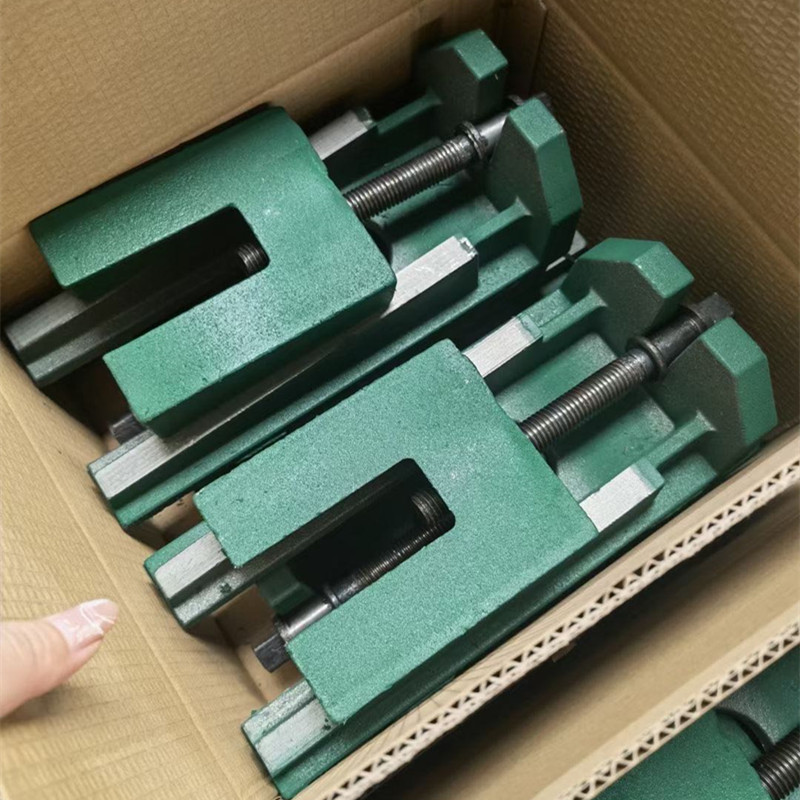
Válvula de retención de 12 mm para aplicaciones industriales y de fontanería eficientes
Válvula de Retención de 12 mm Importancia y Aplicaciones Las válvulas de retención son dispositivos
Wholesale Level Insights for Effective Business Strategies and Market Growth
Understanding Level Wholesale A Comprehensive Overview In the ever-evolving landscape of retail and
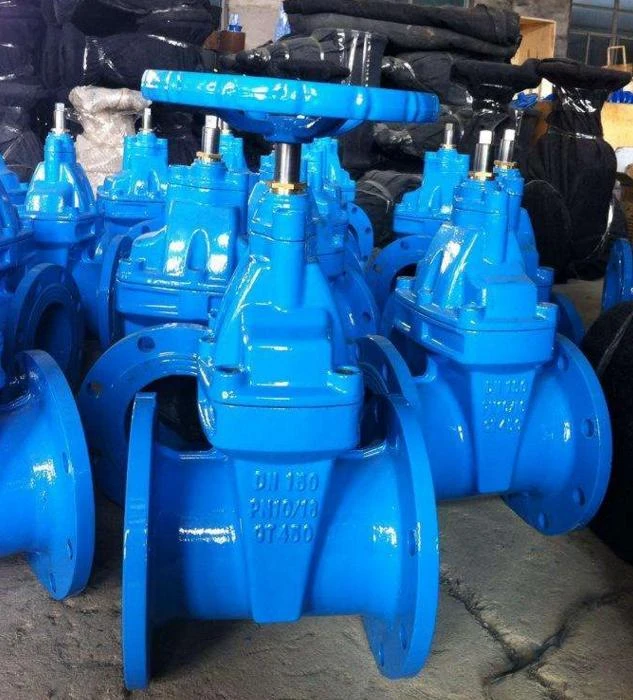
Water Percentage Cut-Off Valve for Efficient Flow Control Systems
Understanding Water Cut-Off Valves An Essential Component in Fluid Management Water cut-off valves a
 English